
Protein Intake
Not Just a Nutritional Issue
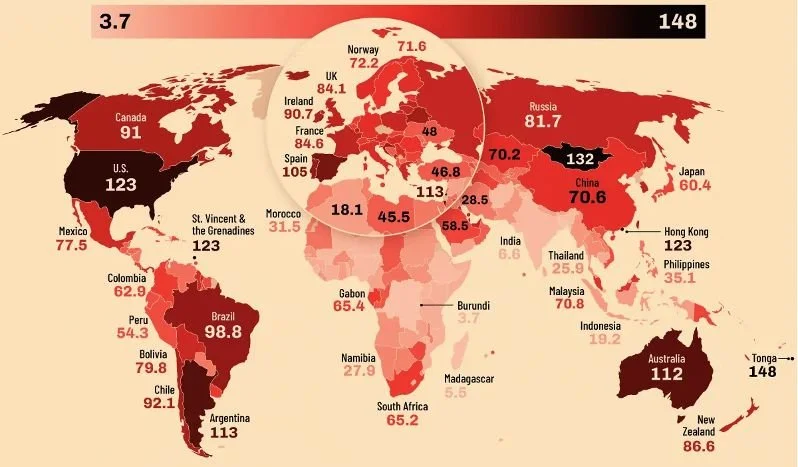
Türkiye's per capita meat consumption lags behind many countries. This picture is not only a nutritional issue, but will also have more severe long-term consequences;
- Insufficient animal protein intake can negatively affect growth and cognitive development, especially in children.
- Iron, B12 and zinc deficiencies lead to immune system weakness and a decrease in labor productivity.
- Low protein access can pave the way for chronic problems that increase health expenditures.
- The imbalance in animal protein supply deepens food security and nutritional inequality.
As a country, our main issue is directly related to purchasing power and agricultural production structure rather than consumption habits.
This picture necessitates not only the improvement of economic balances, but also an AGRICULTURAL REFORM that focuses on efficiency, scale and sustainability.
We need to implement new generation production models that reduce dependence on inputs, empower producers and enable the dissemination of more accessible, sustainable and efficient protein sources...
NOTE: The comparison includes bovine meat, ovine meat, pork, poultry meat, horse meat, venison, rabbit meat, camel meat.
SOURCE: Annual amount of meat consumed per person, in kilograms, across countries worldwide in 2022, UN FAO