
Std. Fishmeal at $2100/mt,“Super Prime” at $2800/mt
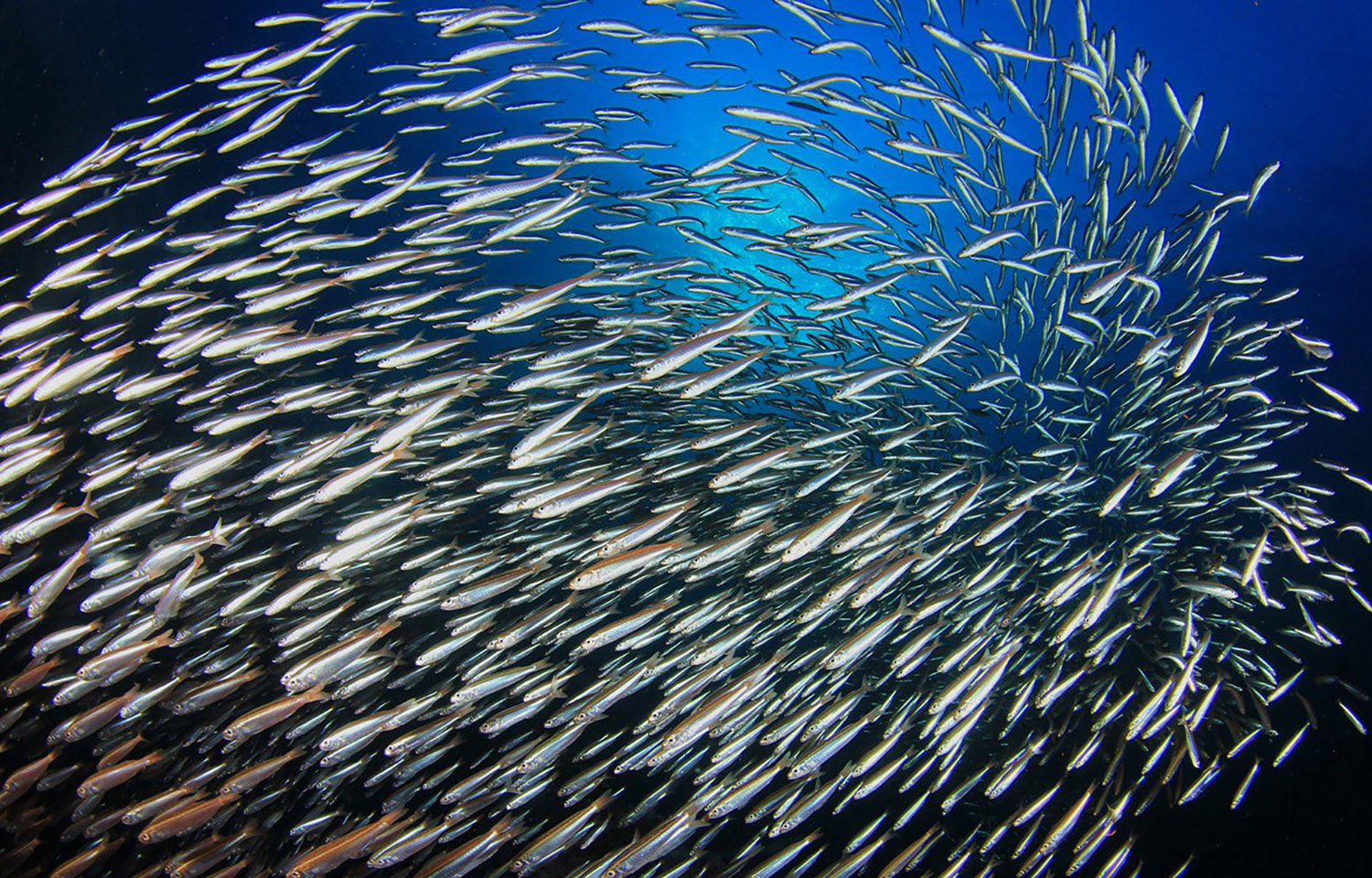
In Peru, one of the world’s leading fishmeal producers, the Total Allowable Catch, or TAC, for the first 2026 anchovy fishing season in the north-central coastal region had been announced at 1,9 million tonnes. This represents an approximately 36% lower quota compared to the 2025 season.
However, fishing activities were suspended for 30 days due to the very high proportion of juvenile anchovies in the catch. Combined with increasing uncertainty in ocean conditions linked to El Niño, this has created significant supply pressure in the fishmeal market.
As a result, Peruvian fishmeal prices have reached record levels. Standard Peruvian fishmeal has reached USD 2100/mt, while “Super Prime” Peruvian fishmeal has reached USD 2800/mt.
Market participants are now considering scenarios in which fishmeal prices may reach new record highs in the coming period and remain above USD 2,000/mt for the next 12–18 months.
Unfortunately, we will continue to feel the impacts of the climate crisis more strongly with each passing year. Changes in ocean temperatures will continue to directly affect fishing seasons, anchovy stocks, fishmeal supply and feed costs.
To meet the rising demand for protein, alternative and sustainable protein sources must now be evaluated much more seriously. In this context, proteins derived from insects, which are also part of the natural diet of fish, are emerging as an important solution.
Insect protein does not carry some of the antinutritional risks associated with plant-based alternatives such as soy protein, particularly for fish with carnivorous feeding characteristics. On the contrary, it offers important advantages such as high digestibility, a balanced amino acid profile, functional bioactive components and support for intestinal health.
At Fedyme, we strongly believe that insect-based protein, which is of strategic importance for our country’s aquaculture sector, must be produced at industrial scale. In line with this vision, we are continuing our investment preparations with determination.
Note: During El Niño periods, ocean surface waters become abnormally warm. This weakens the upwelling of cold, nutrient-rich deep waters to the surface. As a result, plankton production decreases, anchovy schools move into deeper waters or different regions, juvenile survival rates decline, and fishing operations become significantly more risky.