
SOY IN PET FOOD
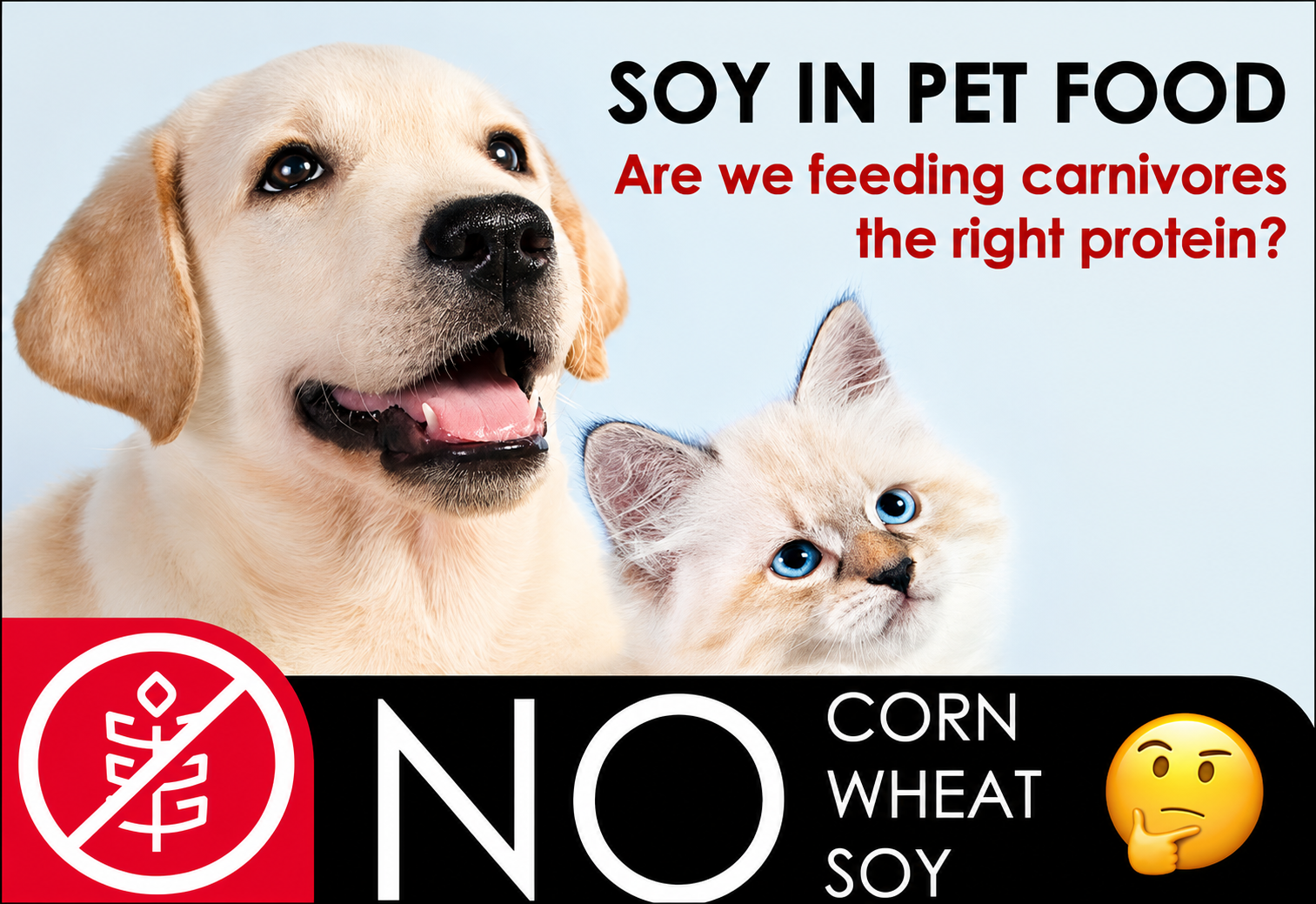
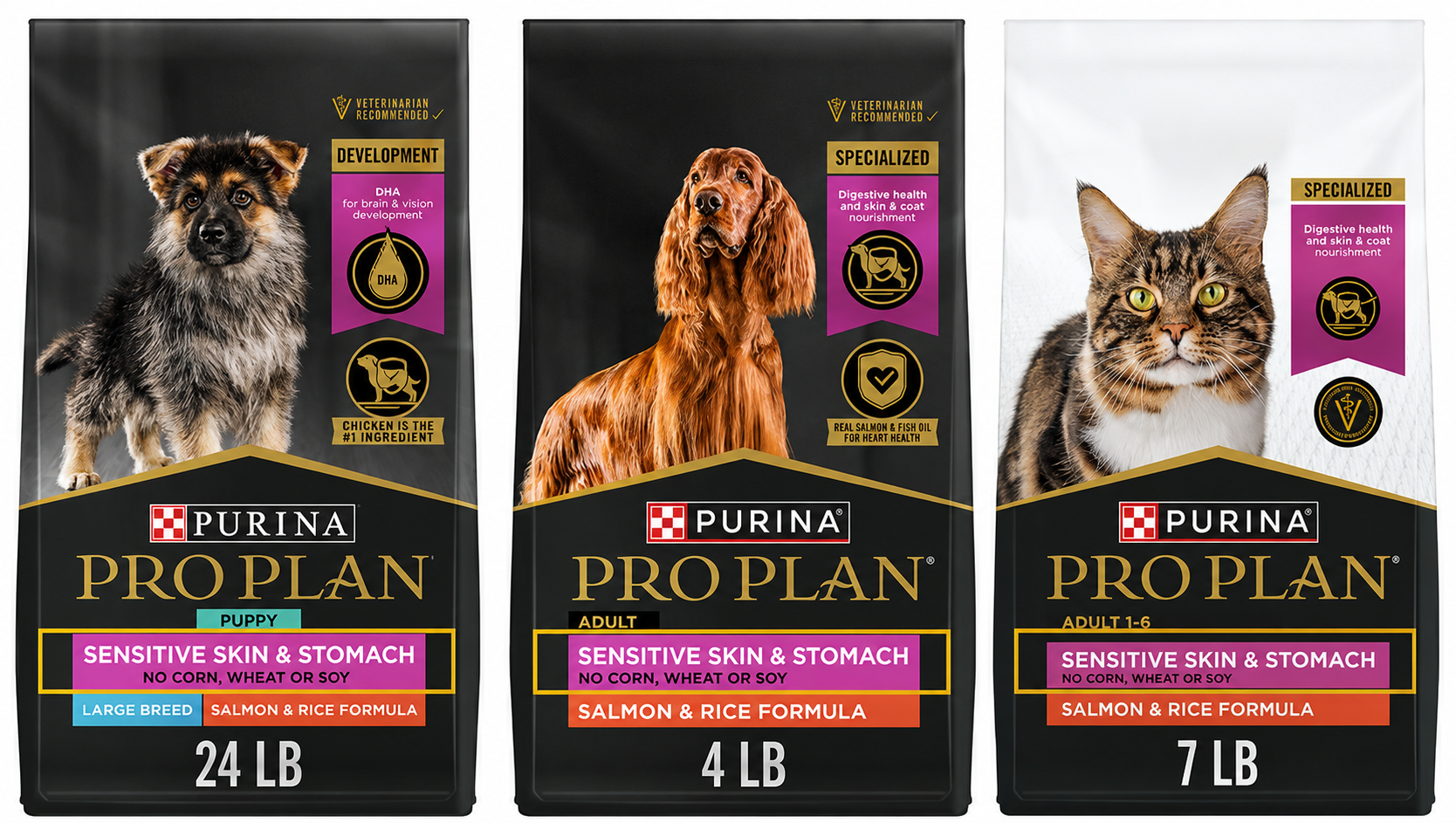
With the rise of the pet humanization trend—the growing tendency to regard pets as members of the family—the quality of protein, its functional benefits, and the “clean label” approach are becoming increasingly important in cat and dog food.
Cats are obligate carnivores by nature, while dogs, although carnivorous in origin, have a greater ability to digest starch and utilize certain plant-based ingredients.
Soy is an attractive ingredient in feed formulations because of its high crude protein content, reliable supply, and significant cost advantage over animal proteins. However, crude protein percentage alone does not indicate the biological value or nutritional quality of a protein source.
Soy may contain antinutritional factors such as trypsin inhibitors, lectins, phytates, and oligosaccharides including raffinose and stachyose. Although these compounds can be substantially reduced through appropriate heat treatment and extrusion, soy protein remains relatively low in methionine. In cat food in particular, the balance of methionine, cystine, and taurine is critical. One study found that cats fed diets containing high levels of soy protein experienced a decline in plasma taurine concentrations, while another reported increases in total and free T4 thyroid hormone levels. These findings suggest that caution is warranted when soy is used at high inclusion rates over prolonged periods.
Kittens and puppies require highly digestible proteins with a well-balanced essential amino acid profile to support rapid growth, muscle and skeletal development, immune function, and healthy skin and coat. In soy- or grain-heavy formulations, excessive replacement of animal proteins—without adequate supplementation of limiting amino acids—may contribute to impaired growth, insufficient lean body mass development, and poorer coat quality.
In older animals, appetite and energy requirements often decline. Under these conditions, cost optimization through the use of lower-quality protein sources may accelerate age-related muscle loss. The main concerns associated with wheat and corn include individual intolerance, allergic reactions to wheat proteins, and contamination with mycotoxins such as aflatoxins and deoxynivalenol when appropriate quality-control measures are not in place.
The environmental dimension is equally important. In 2022, poorly traceable soybean production in Brazil was associated with approximately 794,000 hectares of deforestation.
So, can soy protein replace animal protein?
NO. Soy alone cannot provide taurine, vitamin B12, the marine-derived fatty acids EPA and DHA, or the natural nutritional matrix found in animal tissues. However, SOY CAN BE USED AS A SUPPLEMENTARY PROTEIN INGREDIENT. What matters is how much soy the food contains, the form in which it is used, and which animal protein source it is replacing.
Responsible cat and dog owners should look beyond the crude protein percentage and assess the quality of the animal protein used, its suitability for the animal’s life stage, amino acid and taurine guarantees, digestibility data, feeding-trial results, and the traceability of the ingredients.
By taking this more informed approach, we can better protect the long-term health and well-being of our companion animals.