
Protein, Protein, Protein!
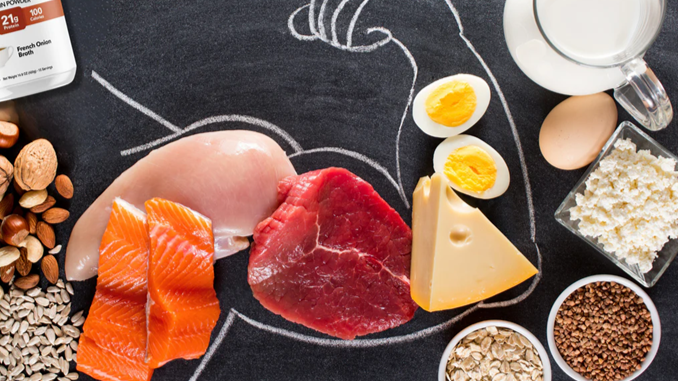
Once upon a time, protein was simply the stuff of eggs, pulses, and gym shakes. Today, it’s the language of venture capital, biotech, and climate strategy. From Silicon Valley start-ups fermenting fungi to Asian ingredient giants re-engineering the amino acid profile of peas, protein has evolved from a nutrient to a narrative — about health, sustainability, and even geopolitics.
🧬 The Age of Aminos
In the 20th century, carbohydrates fed the world; in the 21st, protein will define how we sustain it. Global demand for protein is expected to double by 2050, driven by population growth, aging societies, and a new generation of health-conscious consumers who equate protein with vitality and longevity.
But sourcing that protein — cleanly, affordably, and ethically — is another story. Animal protein still dominates, but its environmental footprint is pushing innovators to explore microbial, insect, and precision-fermented alternatives. Welcome to the protein transition.
🌱 The Rise of Alternatives
Plant-based burgers were just the warm-up act. The real excitement now lies in precision fermentation, cell-based meats, and novel protein isolates that mimic the functionality of dairy, meat, or eggs — without the farm. Companies like The Protein Brewery (fungi-based), Amai Proteins (sweet proteins), and Arla Foods Ingredients (functional whey blends) are proving that protein innovation is both biochemical and business-critical.
Investors are listening. The “alt-protein” sector has drawn over USD 20 billion in private funding since 2020. Not bad for what was once considered a niche for vegans and bodybuilders.
⚙️ The Metabolic Moment
At the consumer level, protein is no longer just about muscle. It’s about metabolism — sustaining energy, stabilizing blood sugar, preserving lean mass during aging. In an era of longevity diets and metabolic health trackers, protein sits at the intersection of nutrition science and wellness technology.
“High-protein” labels have quietly become the new “low-fat.” Even snacks, waters, and desserts now flaunt their protein credentials. It’s the nutrient equivalent of a brand endorsement — one that signals not indulgence, but intent.
🌏 East Meets West
In Asia, the protein story is unfolding with cultural nuance. From fermented soy traditions in Japan to India’s dairy-protein surge, regional innovators are blending ancient food wisdom with biotech sophistication. Governments, too, are entering the scene — viewing domestic protein capacity as a food-security imperative.
Meanwhile, Western markets chase ever-cleaner labels, hypoallergenic isolates, and ESG-friendly formulations. The race isn’t just for who feeds the planet — it’s for how.
💡 What It All Means
Protein is no longer a macronutrient. It’s an economic category, a scientific frontier, and a sustainability challenge rolled into one. The question isn’t “How much protein do we need?” anymore — it’s “What kind of protein future are we building?”
Because whether you’re a biotech researcher, a policy-maker, or just someone trying to pick the right snack bar, one truth holds:
In the business of feeding the future, it’s protein, protein, protein!