
Record High Urea Prices
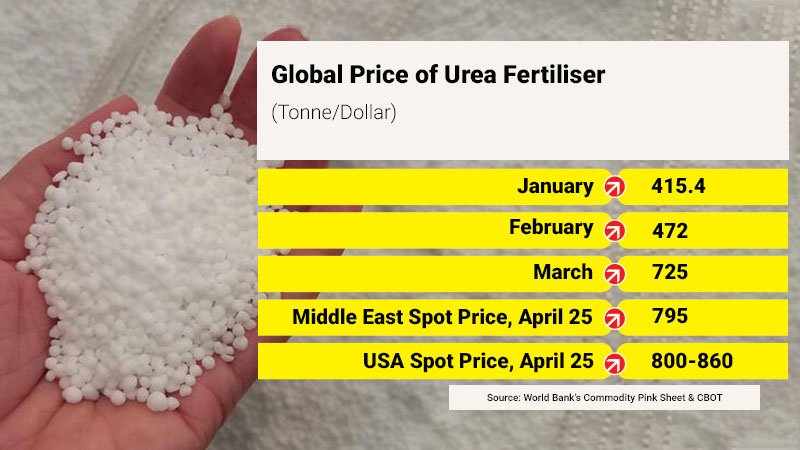
Rising geopolitical tensions across the world have once again exposed the fragility of agricultural production, while driving energy and fertilizer prices sharply upward.
Due to our dependence on imported raw materials for chemical fertilizers, the price of urea—the most widely used fertilizer in the country—has increased dramatically, rising from TRY 21.000 to TRY 35.000 per ton within a single month.
To strengthen food security and ensure affordable access to food for our population, we must place greater focus on local and sustainable production models. In this context, yellow mealworm farming stands out not only as an alternative protein source, but also as a strategic solution to fertilizer supply challenges.
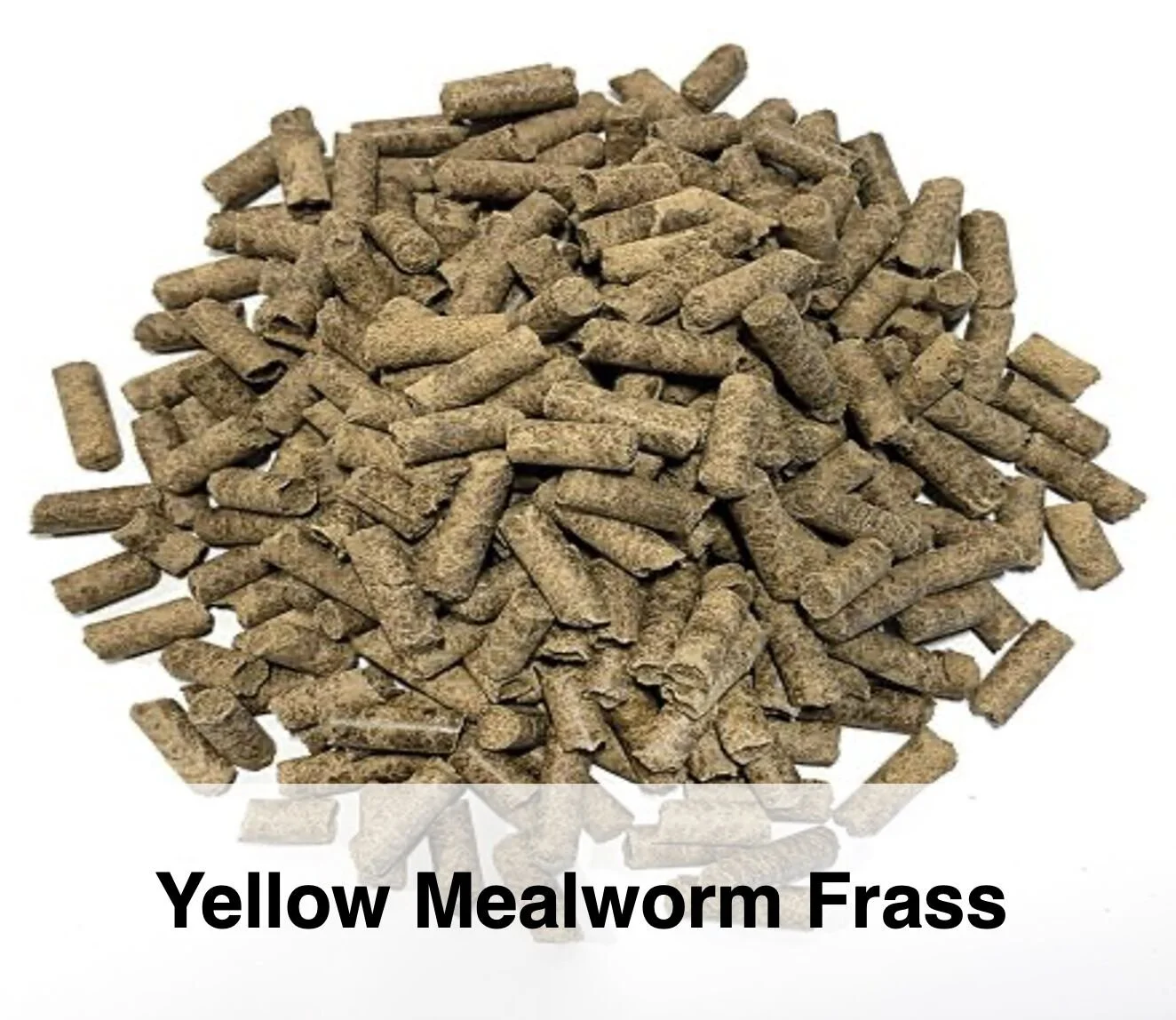
Yellow mealworm fertilizer (frass), approved by the European Union, is a high-quality biocompost with proven biostimulant properties. It helps activate plant immune systems, supports the reduction of pesticide use, and—with more than 85% organic matter content—enhances the biological activity and long-term fertility of the soil.
Most importantly, this valuable fertilizer can be produced domestically at competitive costs.
Reducing dependence on imported fertilizers, preserving soil productivity through organic practices, lowering farmers’ input costs, and preventing future food crises require a strategic shift toward next-generation production systems based on local resources.
A sustainable future will only be possible through domestic production, circular economy models, and biotechnology-driven solutions.